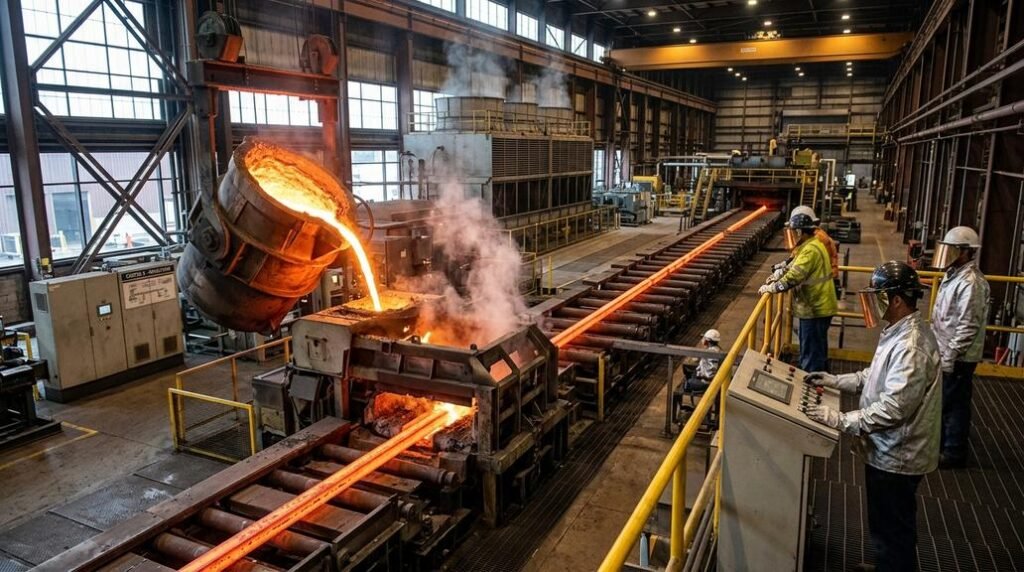
U.S. domestic steel prices are experiencing an upward trend, driven by resilient demand and tight supply conditions. According to recent analysis from CRU, prices for sheet and plate steel have increased over the past month, while prices for long products have remained largely stable. This situation underscores ongoing challenges within the steel market, which could have implications for American industry and infrastructure.
The increase in steel prices comes at a time when import volumes remain low, further tightening the supply chain. With fewer imports available, domestic manufacturers are facing pressure to meet demand for steel, a critical material in construction, automotive, and various manufacturing sectors. The tight supply could lead to increased costs for projects reliant on steel, potentially affecting timelines and budgets.
In particular, the price of hot-rolled coil (HRC), a commonly used steel product, has risen to a range of $950 to $970 per ton. This rise reflects a broader trend where domestic prices are adjusting to market conditions. While long product prices, which include items like rebar and structural steel, have not seen significant changes, some specific categories, such as structural and merchant bars, have edged higher.
The demand for steel has remained robust, suggesting that industries reliant on this material are continuing to thrive despite the supply constraints. This sustained demand could indicate confidence in the recovery of sectors such as construction and manufacturing, which are vital for economic growth. As steel prices rise, companies may need to reassess their procurement strategies and consider the potential for increased costs in their operations.
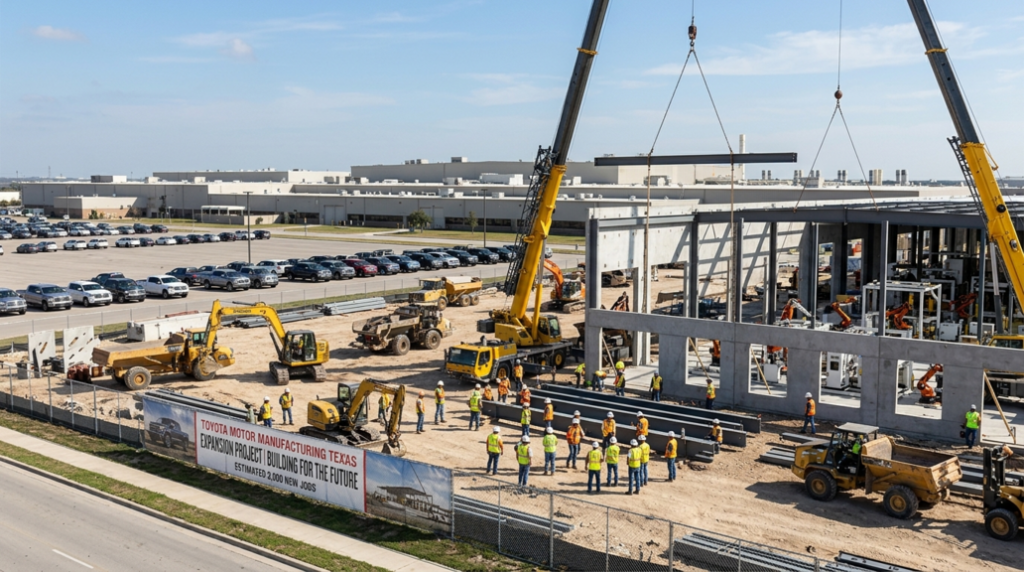
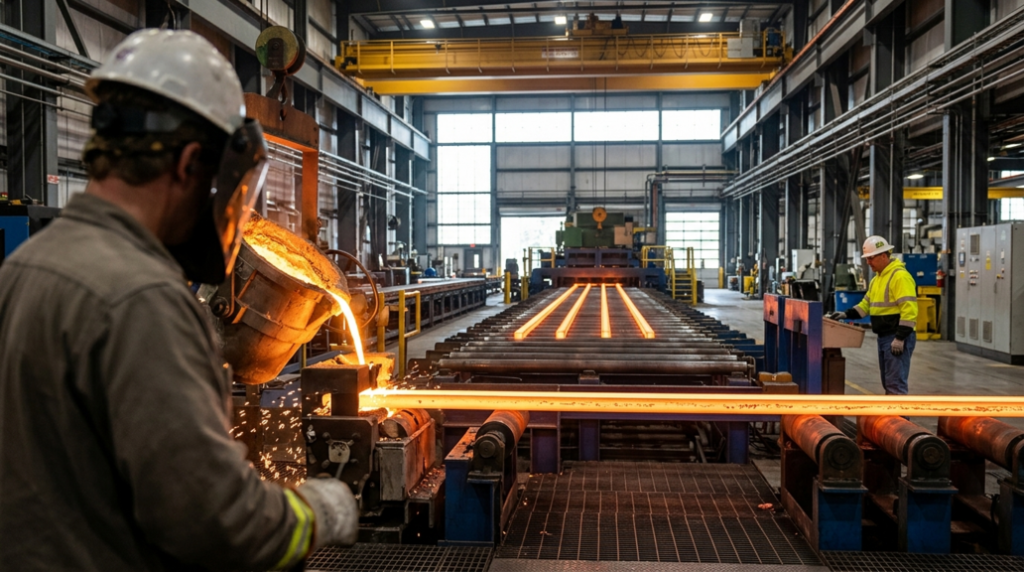
The current market dynamics also highlight the importance of domestic steel production capabilities. With supply issues stemming from low import volumes, the ability of U.S. manufacturers to ramp up production could be crucial in stabilizing prices and ensuring availability. Investments in domestic steel production facilities may become more attractive as companies look to mitigate risks associated with fluctuating import levels.
For American workers, these developments in the steel market may translate into job opportunities, particularly in manufacturing and related industries. As demand for steel rises and production ramps up, there may be a need for skilled labor to support these operations. Additionally, the ongoing challenges in supply chains could encourage more companies to invest in local resources, potentially benefiting communities across the country.
In conclusion, the rising steel prices reflect a complex interplay of demand and supply factors that could shape the future of the U.S. steel industry. As manufacturers navigate these changes, the implications for production, labor, and infrastructure investment are significant. Understanding these trends will be essential for stakeholders as they plan for the future in a competitive and evolving market.