
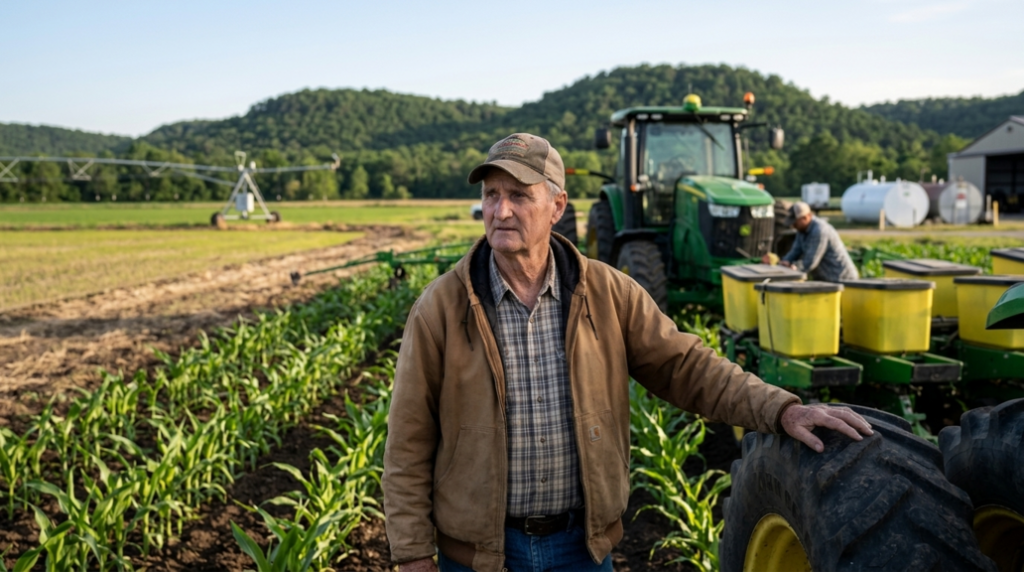
As fuel prices continue to rise, Arkansas farmers are adapting their crop choices to manage costs more effectively. Clay Smith, a farmer from Crowley’s Ridge, has made the decision to plant corn on land that has not previously been used for this crop. This shift highlights the practical adjustments that farmers are making in response to economic pressures affecting the agricultural sector.
The decision to switch from rice to corn is not unique to Smith. Many farmers in Arkansas are facing increasing costs associated with irrigating their fields, particularly for rice production, which requires substantial water and energy resources. With diesel prices for irrigation systems reportedly costing upwards of $212 per acre, the financial burden is prompting farmers to reconsider their planting strategies.
Corn, which typically requires less irrigation than rice, presents a more cost-effective option under current conditions. The rising prices of fuel and other agricultural inputs have led farmers to seek alternatives that align better with their economic realities. By utilizing previously unused land for corn production, farmers like Smith are not only striving to maintain profitability but also to ensure the sustainability of their operations.
This trend reflects broader changes within the agricultural landscape, where farmers must remain adaptable to fluctuating market conditions. The recent increases in fuel costs are part of a larger trend affecting farmers nationwide, as many are grappling with higher prices for fertilizers and other essential inputs. These economic factors underscore the challenges faced by American farmers, who are often at the mercy of global market dynamics.
The shift to corn may also have implications for local communities and supply chains. As farmers diversify their crops, it could lead to changes in local economies that are heavily reliant on specific agricultural products. Increased corn production might benefit local agribusinesses, from seed suppliers to equipment manufacturers, as farmers invest in new resources and technologies to support this transition.
Moreover, the decision to plant corn aligns with a growing national interest in energy security. Corn is not only a staple food crop but also a key ingredient in biofuel production. As the U.S. seeks to bolster its energy independence, increased corn cultivation could support these initiatives, potentially leading to a more resilient agricultural sector in the long term.
While the immediate focus for farmers like Clay Smith is on navigating the current economic landscape, the shift towards corn production could also represent a strategic move that strengthens their position in the market. By adapting to rising costs and changing consumer demands, American farmers are demonstrating their resilience and commitment to sustaining their livelihoods.
As Arkansas farmers continue to make these critical decisions, the agricultural community will be watching closely. The outcomes of such shifts could not only influence individual farms but may also resonate throughout the broader agricultural economy, impacting everything from pricing structures to supply chain dynamics in the years to come.