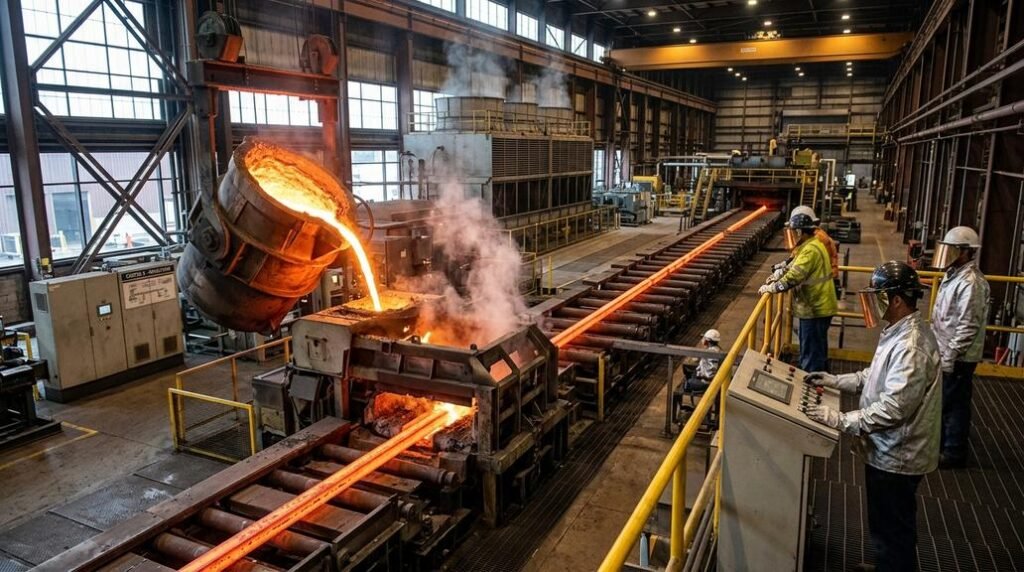
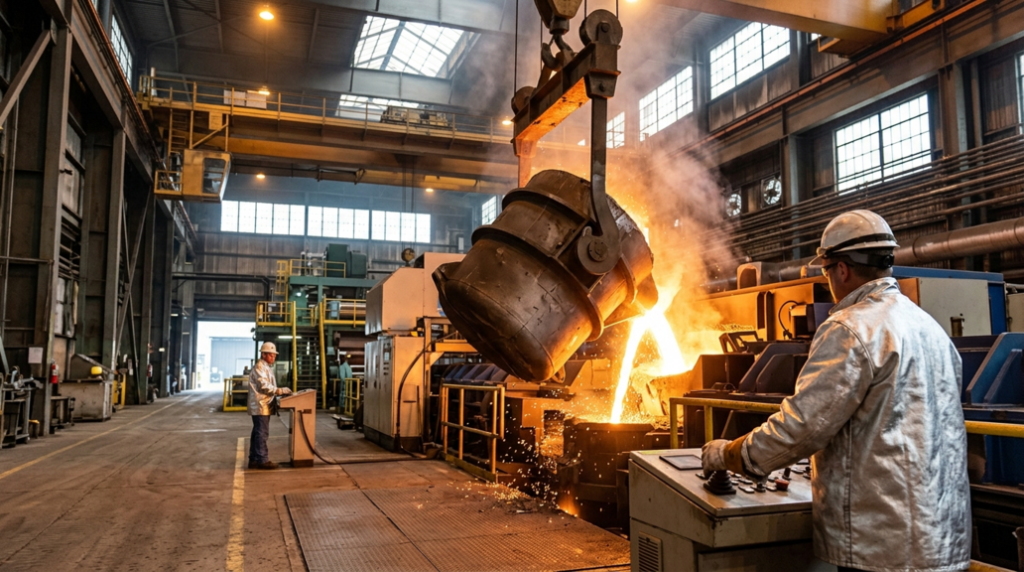
Domestic raw steel production in the United States has reached its highest weekly output rate since March 2020, according to recent data from the American Iron and Steel Institute (AISI). This increase marks a significant milestone for the steel industry, reflecting a recovery in production capabilities that could have positive implications for various sectors reliant on steel manufacturing.
In the week ending recently reported, U.S. steel mills produced 1.87 million net tons of raw steel, translating to a capacity utilization rate of 83.3%. This uptick in production is noteworthy, as it signals a rebound from previous lows experienced during the pandemic. The sustained production levels suggest that the industry is adapting to ongoing market demands and could be positioning itself for future growth.
The context surrounding this production increase is essential for understanding its potential impact. Since the beginning of the year, domestic steel production has seen a steady rise, with AISI reporting a four-year high in mid-February. This trend indicates a renewed confidence among manufacturers and could be indicative of broader economic recovery efforts across the country.
Steel is a foundational material for numerous industries, including construction, automotive, and machinery. As production ramps up, it could support job creation and stability within these sectors. Increased steel output may also help alleviate some supply chain bottlenecks that have been affecting manufacturers, particularly in light of recent global disruptions.
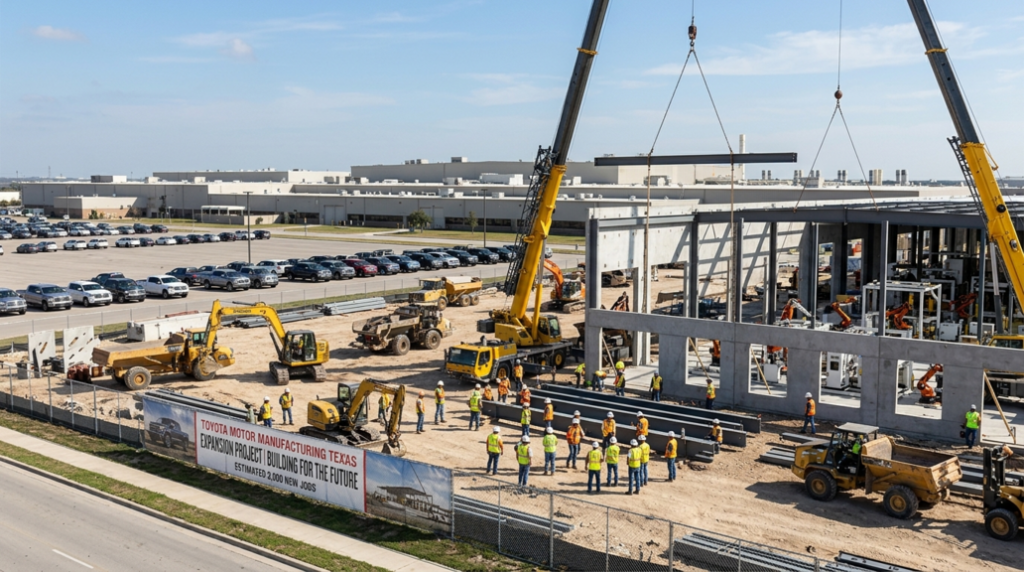
Moreover, the rise in domestic steel production aligns with ongoing efforts to enhance American industrial capacity. By fostering a robust steel manufacturing environment, the U.S. can reduce its reliance on imports, which has been a concern for many policymakers and industry leaders. Strengthening domestic production capabilities could contribute to energy security and economic resilience, especially in an era marked by fluctuating global markets.
The AISI data also points to the importance of innovation and modernization in the steel industry. As companies invest in new technologies and processes, they can increase efficiency and sustainability, which are becoming increasingly important in today’s market. This focus on modernization not only bolsters production but also aligns with environmental goals, as the industry seeks to reduce its carbon footprint.
While the current figures are promising, challenges remain. The steel industry continues to face pressures from international competition, fluctuating raw material prices, and evolving consumer demands. Addressing these challenges will require ongoing collaboration among industry stakeholders, government agencies, and labor organizations to ensure a competitive and fair playing field.
In conclusion, the recent surge in domestic raw steel production is a positive indicator for the industry and could have broader implications for American manufacturing and economic stability. As the sector navigates the complexities of the current market landscape, the focus will likely remain on maintaining production levels and enhancing the resilience of supply chains. This development underscores the importance of a strong steel industry as a backbone for various sectors and a key player in the U.S. economy.