The U.S. House of Representatives recently introduced the BUILD America 250 proposal, which aims to establish a long-term funding framework for transportation infrastructure. This new legislation is designed to succeed the Infrastructure Investment and Jobs Act, which has been a significant source of funding for various infrastructure projects across the country. The BUILD America 250 initiative reflects a shift in how federal infrastructure funding may be prioritized and allocated in the coming years.
The proposal outlines a comprehensive plan for multi-year funding, signaling a potential commitment to sustained investment in transportation. This could provide state and local governments with the financial certainty needed to plan and execute large-scale infrastructure projects. By establishing a longer-term funding mechanism, the legislation may help address some of the ongoing challenges in maintaining and upgrading the nation’s transportation systems.
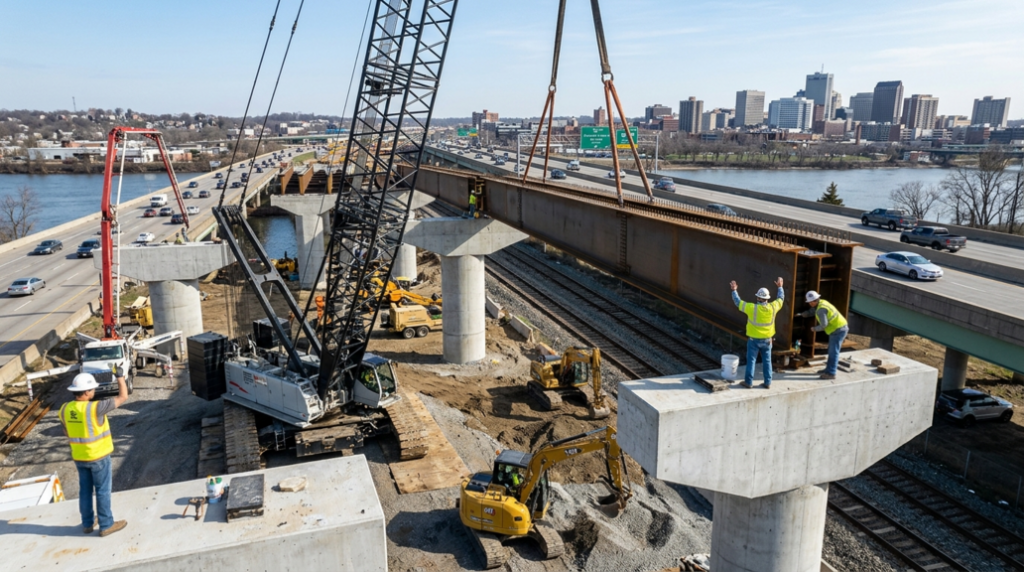
One of the key aspects of the BUILD America 250 proposal is its focus on modernizing transportation infrastructure to meet the demands of a growing economy. This includes improvements to roads, bridges, and public transit systems, which are essential for facilitating commerce and ensuring the mobility of the workforce. Enhanced infrastructure could lead to increased efficiency in supply chains and reduced congestion, benefiting both businesses and consumers.
Furthermore, the proposal underscores a commitment to sustainability and innovation in transportation. By potentially incorporating funding for green technologies and renewable energy sources, the legislation could support the transition to a more environmentally friendly transportation sector. This aligns with broader national goals of reducing carbon emissions and promoting energy security, which have become increasingly important in recent years.
The implications of the BUILD America 250 proposal extend to American workers and industries involved in construction and transportation. A sustained investment in infrastructure could create jobs in various sectors, from construction to engineering and manufacturing. As projects are initiated, there may be increased demand for skilled labor, which could enhance job opportunities in local communities across the country.
Moreover, the proposal may also address some of the disparities in infrastructure investment that have historically affected certain regions. By prioritizing funding based on need and impact, the BUILD America 250 initiative could help ensure that underserved areas receive the necessary resources to improve their transportation systems. This could lead to more equitable access to jobs and services, fostering economic growth in those communities.
As the legislation moves through Congress, stakeholders from various sectors will be watching closely. Transportation advocates, industry leaders, and local government officials are likely to weigh in on the proposal, emphasizing its potential benefits and areas for improvement. The outcome of this legislative effort may shape the future of American infrastructure for years to come, influencing not only how transportation systems are funded but also how they evolve to meet the changing needs of society.
In conclusion, the introduction of the BUILD America 250 proposal marks a significant step towards establishing a long-term vision for transportation funding in the United States. By focusing on sustainability, job creation, and equitable investment, the initiative could have far-reaching effects on American industry and infrastructure. As discussions continue, the proposal will be a focal point for those interested in the future of transportation and its role in supporting economic growth and community development.