Ionic Rare Earth (IonicRE) has announced a collaboration with Nth Cycle, a U.S.-based company specializing in refining technology, to enhance rare earth recycling and refining operations. This partnership aims to optimize production pathways and could potentially eliminate the use of oxalic acid in the refining process. By leveraging Nth Cycle’s proprietary electro-extraction technology, the initiative seeks to improve the efficiency and sustainability of rare earth element (REE) processing in the United States and beyond.
Rare earth elements are crucial for a variety of modern technologies, including electric vehicles, renewable energy systems, and advanced electronics. Currently, a significant portion of the world’s rare earth refining takes place in China, which dominates approximately 90% of the global market. The collaboration between IonicRE and Nth Cycle reflects a growing interest in diversifying rare earth production outside of China, which could enhance supply chain security for American industries.
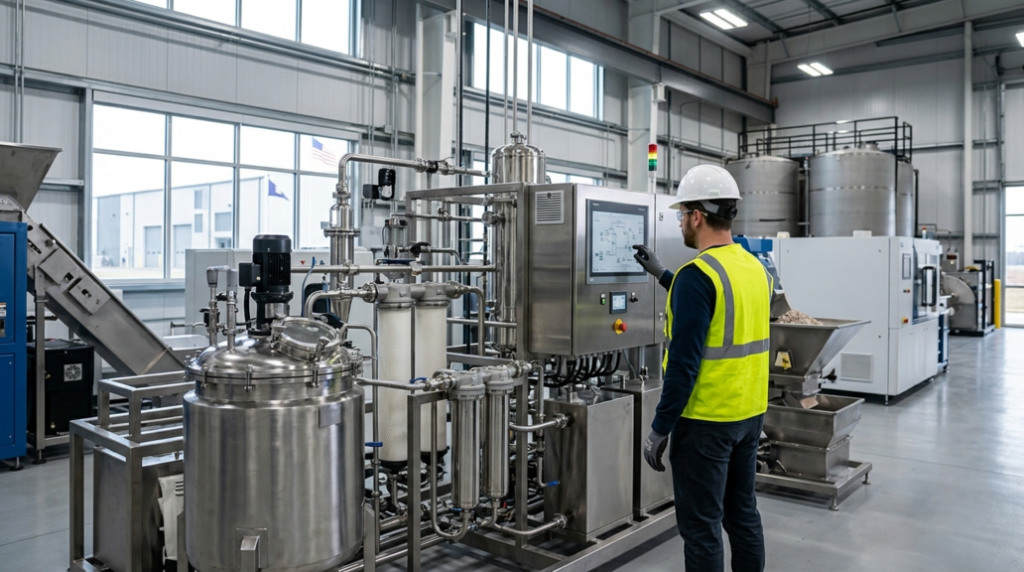
The partnership is expected to focus on creating a more sustainable and efficient refining process. By optimizing production pathways, the collaboration aims to promote long-loop recycling of rare earths, which involves reprocessing materials to recover valuable elements. This approach not only aligns with increasing environmental regulations but also supports the broader industry goal of reducing waste and enhancing resource recovery.
IonicRE’s efforts to eliminate oxalic acid from the refining process could represent a significant step forward in reducing the environmental impact of rare earth production. Oxalic acid is commonly used in conventional refining methods but poses challenges related to waste management and environmental safety. By developing alternative methods through this partnership, IonicRE and Nth Cycle could set a new standard for sustainable practices in the rare earth sector.
This collaboration also underscores the importance of innovation in the U.S. mining and refining sectors. As the demand for rare earth elements continues to rise, particularly with the transition to green technologies, the ability to refine these materials domestically could bolster the United States’ industrial capacity. Enhancing local production capabilities may also create job opportunities in skilled labor and manufacturing sectors, contributing to economic growth in affected communities.
The partnership between IonicRE and Nth Cycle is part of a broader trend where companies are increasingly looking to establish more resilient and self-sufficient supply chains. By investing in domestic refining technologies, American industries can reduce their reliance on foreign sources and improve their competitive edge in the global market. This move could be particularly beneficial as the government and private sectors push for advancements in clean technology and energy security.
As this collaboration develops, it will be important to monitor its progress and impact on the rare earth refining landscape. The focus on sustainability and efficiency not only addresses current environmental concerns but also positions the U.S. to meet future demands for rare earth elements. If successful, this partnership could serve as a model for other industries seeking to innovate and adapt to changing market conditions.
In conclusion, the alliance between IonicRE and Nth Cycle represents a strategic effort to enhance rare earth refining operations in the U.S. and globally. By prioritizing sustainability and efficiency, this collaboration could play a key role in shaping the future of the rare earth industry, contributing to both economic growth and environmental stewardship.