The BUILD America 250 initiative has emerged as a proposed successor to the Infrastructure Investment and Jobs Act, bringing with it a multiyear transportation funding framework that could reshape federal infrastructure priorities. This plan outlines how the federal government intends to allocate resources for transportation projects, potentially impacting various sectors, including construction, manufacturing, and logistics. As the nation continues to address its aging infrastructure, this initiative may play a crucial role in bolstering economic competitiveness and enhancing the quality of transportation networks across the United States.
The BUILD America 250 plan aims to provide a long-term vision for transportation funding, which has traditionally been characterized by short-term allocations. By establishing a multiyear funding model, it seeks to create more stability and predictability in infrastructure investment. This could lead to more comprehensive planning and execution of projects, ultimately contributing to improved infrastructure and transportation efficiency. Enhanced infrastructure can facilitate smoother supply chains and better connectivity for American businesses and communities.
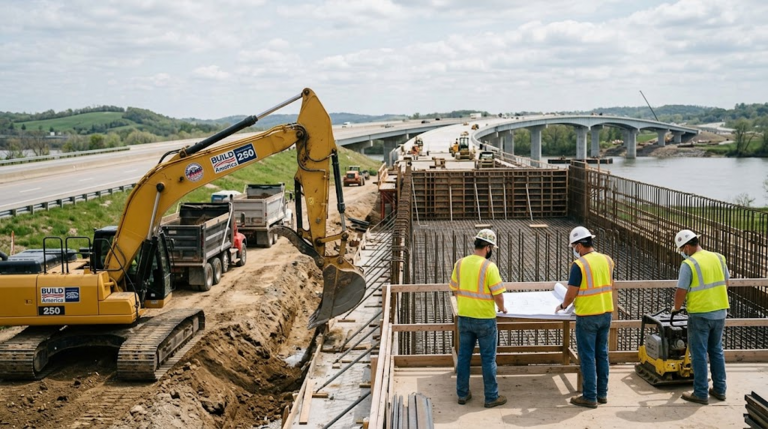
Key aspects of the proposed funding model include significant investments in road maintenance, bridge rehabilitation, and public transit systems. These areas have been identified as critical for enhancing the safety and reliability of transportation networks. The focus on public transit also indicates a recognition of the increasing need for sustainable transportation options in urban areas, which could have long-term benefits for environmental sustainability and urban mobility.
The implications of the BUILD America 250 initiative extend beyond transportation alone. A well-maintained infrastructure system supports economic activity by ensuring that goods and services can move efficiently. This is particularly relevant as supply chain disruptions have highlighted the need for robust logistics networks. By investing in infrastructure, the federal government may help mitigate future disruptions, thereby enhancing the resilience of American industries.
Furthermore, the initiative could have a positive effect on job creation within the construction and related sectors. As infrastructure projects ramp up, there is potential for increased demand for skilled labor, which could lead to job opportunities for American workers. This aligns with broader efforts to strengthen the workforce and address skill gaps in key industries.
Local communities may also see direct benefits from the BUILD America 250 plan. Improved transportation infrastructure can lead to enhanced access to jobs, education, and services, ultimately contributing to better quality of life for residents. Additionally, communities that have long been underserved by transportation networks may find new opportunities for growth and development as investments are directed towards their needs.
As discussions around the BUILD America 250 initiative continue, stakeholders from various sectors will be closely monitoring its progress. The potential shift in funding priorities reflects a broader recognition of the importance of infrastructure in supporting economic growth and stability. While the plan is still in its early stages, it underscores a commitment to addressing the nation’s infrastructure challenges in a more strategic and long-term manner.
In conclusion, the BUILD America 250 initiative represents a significant step forward in federal transportation funding, with the potential to reshape how infrastructure investments are made. By focusing on multiyear funding and prioritizing critical areas such as roads, bridges, and public transit, it aims to enhance the overall efficiency and resilience of the nation’s transportation networks. This could ultimately benefit American workers, industries, and communities as they navigate the evolving economic landscape.