Congress has introduced a new proposal aimed at reshaping federal infrastructure funding through the BUILD America 250 initiative. This multiyear transportation funding plan seeks to address the evolving needs of American infrastructure and reflects a commitment to enhancing transportation systems across the country. As infrastructure projects require significant investment, this proposal could influence future funding mechanisms and priorities in the transportation sector.
The BUILD America 250 plan is positioned as a successor to the Infrastructure Investment and Jobs Act, which has already set the groundwork for various infrastructure improvements. By outlining a framework for sustained federal investment, the proposal underscores the importance of long-term planning in addressing the nation’s transportation challenges. This could potentially lead to a more streamlined approach to funding, allowing for better allocation of resources to critical projects.
One of the key aspects of the BUILD America 250 initiative is its focus on multimodal transportation solutions. By integrating various forms of transportation—such as highways, rail, and public transit—the plan aims to create a cohesive network that enhances connectivity and efficiency. This approach not only supports urban and rural communities alike but also reflects a growing recognition of the need for sustainable transportation options.
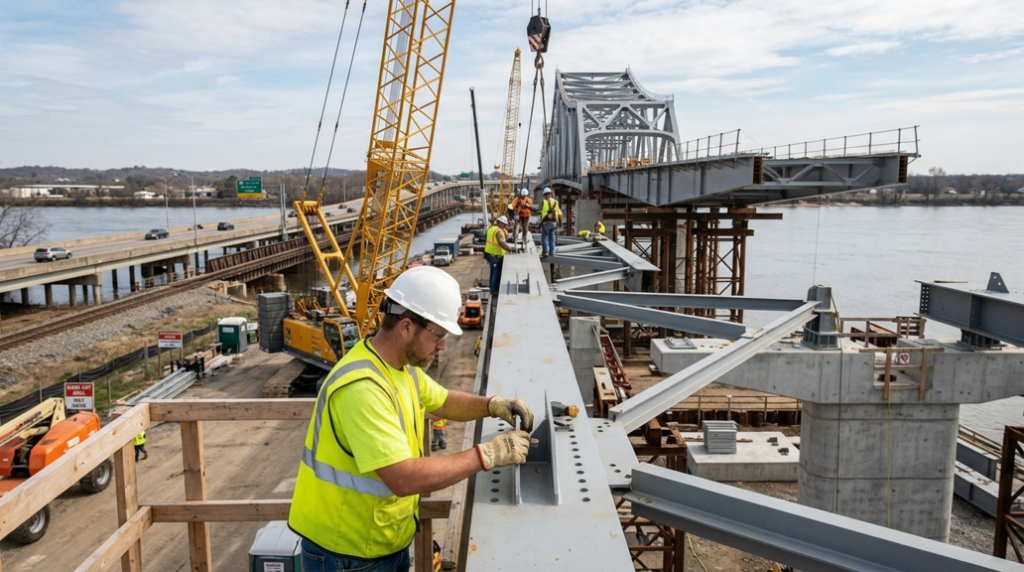
As the nation looks to modernize its infrastructure, the implications for American workers and industries are significant. A focus on transportation projects could lead to increased demand for skilled labor in construction, engineering, and related fields. With a pipeline of funded projects, local communities may see job creation and economic activity as these initiatives come to life.
The proposed funding mechanisms in BUILD America 250 may also foster greater collaboration between federal, state, and local entities. By encouraging partnerships, the initiative aims to leverage resources more effectively, ensuring that projects are not only funded but also executed in a timely manner. This collaborative approach could enhance the overall efficiency of infrastructure development, which has often faced delays and budget overruns in the past.
Moreover, the emphasis on modernizing transportation systems aligns with broader goals of enhancing energy security and reducing environmental impact. As infrastructure improvements are rolled out, there may be an increased focus on incorporating green technologies and practices, which can contribute to a more sustainable future. This shift could also resonate with communities that are advocating for cleaner transportation options.
In conclusion, the BUILD America 250 proposal presents an opportunity for a renewed focus on transportation infrastructure in the United States. By outlining a multiyear funding strategy, Congress aims to address pressing needs while fostering economic growth and job creation. As the plan moves forward, its success will depend on effective collaboration and a commitment to sustainable development, ultimately shaping the future of American transportation for years to come.