
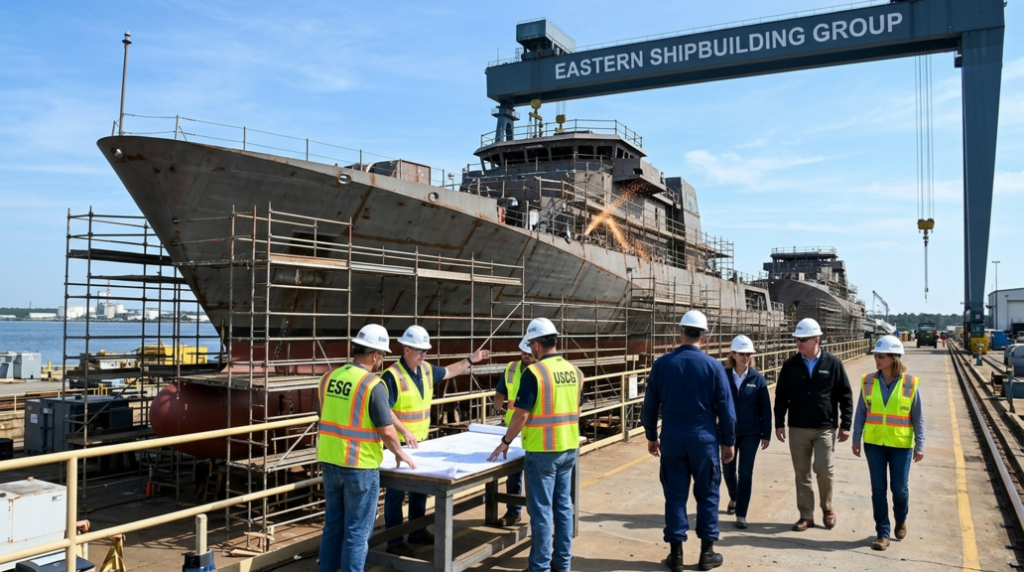
The Coast Guard is currently in negotiations with Eastern Shipbuilding to resolve issues surrounding the Offshore Patrol Cutter (OPC) program, which has faced significant delays. Eastern Shipbuilding, based in Florida, halted work on the first two cutters in November 2025, citing challenges that have impacted the project’s timeline. The discussions aim to address the cessation of work and to finalize the contract for the initial stages of the program, which may have broader implications for the U.S. shipbuilding industry.
The Offshore Patrol Cutter program was designed to enhance the Coast Guard’s capabilities in maritime law enforcement, search and rescue operations, and environmental protection. The first two vessels in this class, named Argus and Chase, were intended to play a crucial role in modernizing the Coast Guard’s fleet. However, the suspension of work has raised concerns about the future of the program and the potential impact on American shipbuilding jobs.
In a statement, the Coast Guard confirmed that they are discussing the closeout of the contract with Eastern Shipbuilding. This negotiation will likely determine how the Coast Guard will proceed with the acquisition of the OPC class, which remains vital for maintaining national security and maritime safety. The resolution of this contract could provide clarity on the future of the program and its impact on the supply chain within the shipbuilding sector.
Eastern Shipbuilding’s difficulties are not isolated; the shipbuilding industry has faced various challenges in recent years, including supply chain disruptions and rising material costs. These factors have made it increasingly difficult for shipyards to meet deadlines and budgets. The current negotiations may reflect broader trends in the industry, where shipbuilders must adapt to changing economic conditions while maintaining quality and efficiency.
The outcome of the negotiations between the Coast Guard and Eastern Shipbuilding could also influence future contracts and investments in the maritime sector. If resolved positively, it may pave the way for additional orders and projects, thereby supporting the local economy and workforce in Florida and beyond. Conversely, if the negotiations lead to further delays or contract terminations, it could hinder the progress of the OPC program and affect related jobs in the shipbuilding industry.
As the discussions continue, stakeholders from various sectors are watching closely. The resolution of this contract could have ripple effects on American industrial capacity, particularly in the shipbuilding and maritime industries. Ensuring that the Coast Guard has the necessary vessels to operate effectively is a priority that underscores the importance of maintaining a robust domestic shipbuilding capability.
In conclusion, the ongoing negotiations between the Coast Guard and Eastern Shipbuilding represent a critical juncture for the Offshore Patrol Cutter program. The outcome will not only affect the immediate future of the cutters but also serve as a barometer for the health of the U.S. shipbuilding industry as it navigates through a complex landscape of challenges and opportunities.