Congress has unveiled a new multiyear transportation funding proposal known as BUILD America 250, which aims to reshape federal infrastructure investment strategies. This initiative is seen as a successor to the Infrastructure Investment and Jobs Act, and it could have significant implications for various sectors, including construction, transportation, and local economies across the United States.
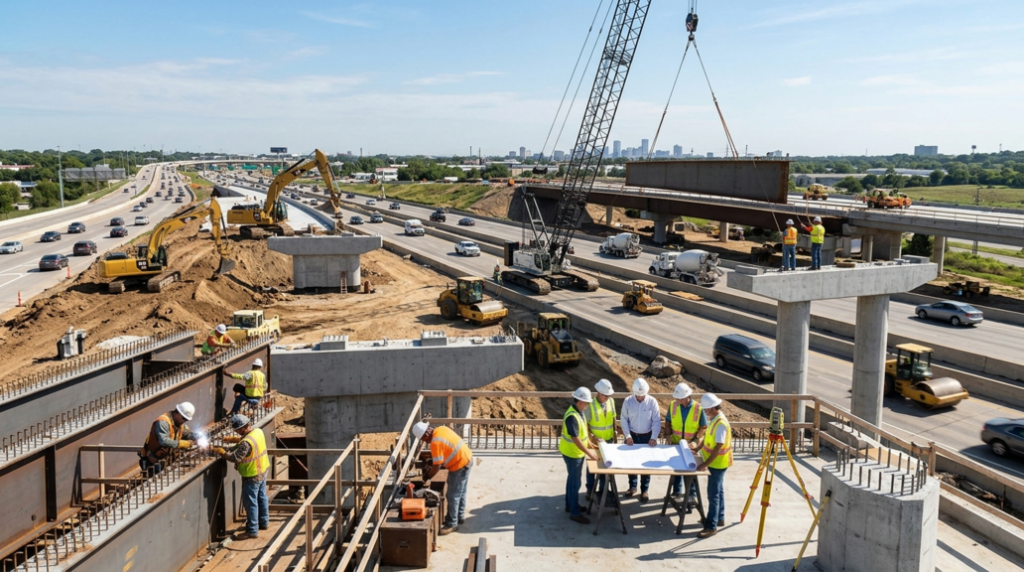
The BUILD America 250 proposal outlines potential shifts in how federal funding for infrastructure projects is allocated and managed. With a focus on enhancing transportation systems, the plan seeks to address both current needs and future demands. This could lead to improved roadways, bridges, and public transit systems, which are vital for facilitating commerce and daily commutes.
One of the key aspects of the proposal is its emphasis on long-term planning. By establishing a structured funding approach, it aims to provide more stability for state and local governments as they develop their infrastructure projects. This clarity in funding could help streamline project timelines and enhance collaboration among various stakeholders, including public agencies and private contractors.
In addition to its potential economic benefits, BUILD America 250 also reflects a growing recognition of the need for resilient infrastructure. As communities face challenges such as climate change and increasing urbanization, the proposal encourages investments that prioritize sustainability and adaptability. This focus may lead to innovative construction techniques and materials, promoting a shift toward greener building practices.
The implications for American workers are noteworthy as well. By prioritizing transportation infrastructure, the initiative could create new job opportunities in construction and related fields. This aligns with broader efforts to bolster skilled labor in the nation, addressing the current workforce shortages that many industries are experiencing. Training programs and apprenticeships may be developed in tandem with these projects, further supporting workforce development.
Moreover, the BUILD America 250 initiative underscores the federal government’s commitment to enhancing the nation’s infrastructure. As communities look to modernize their transportation systems, the availability of federal funds can serve as a catalyst for local investment. This could encourage private sector participation, leading to a more robust economic environment and improved public services.
While the proposal is still in its early stages, it marks another step toward rethinking how infrastructure investments are approached in the United States. As discussions continue in Congress, stakeholders will be closely monitoring how these plans evolve and what specific projects may be prioritized in the coming years.
In conclusion, the BUILD America 250 proposal presents an opportunity to reshape the landscape of American infrastructure funding. By focusing on long-term strategies and sustainable practices, it could enhance transportation networks and create jobs, ultimately benefiting communities across the country.