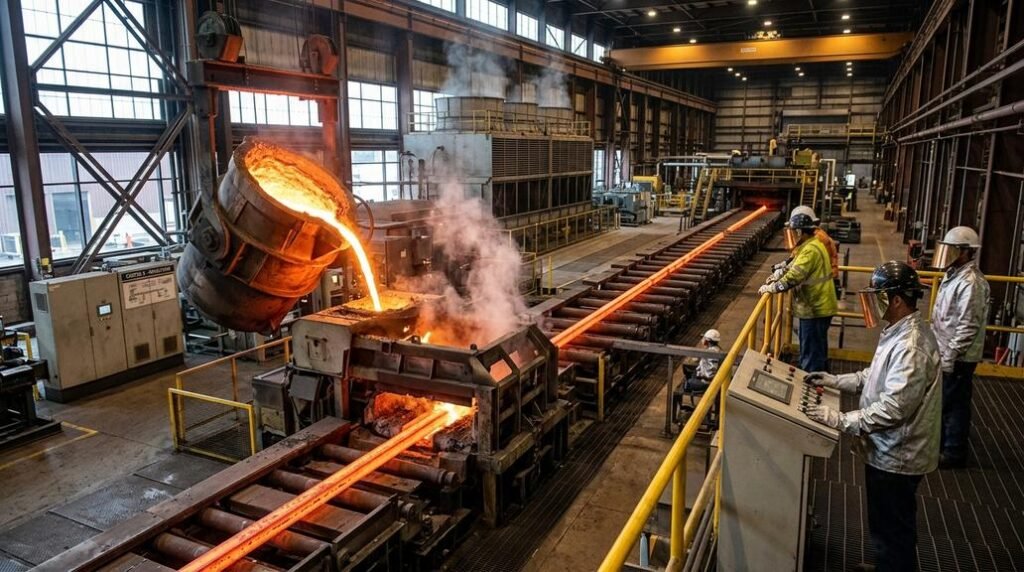
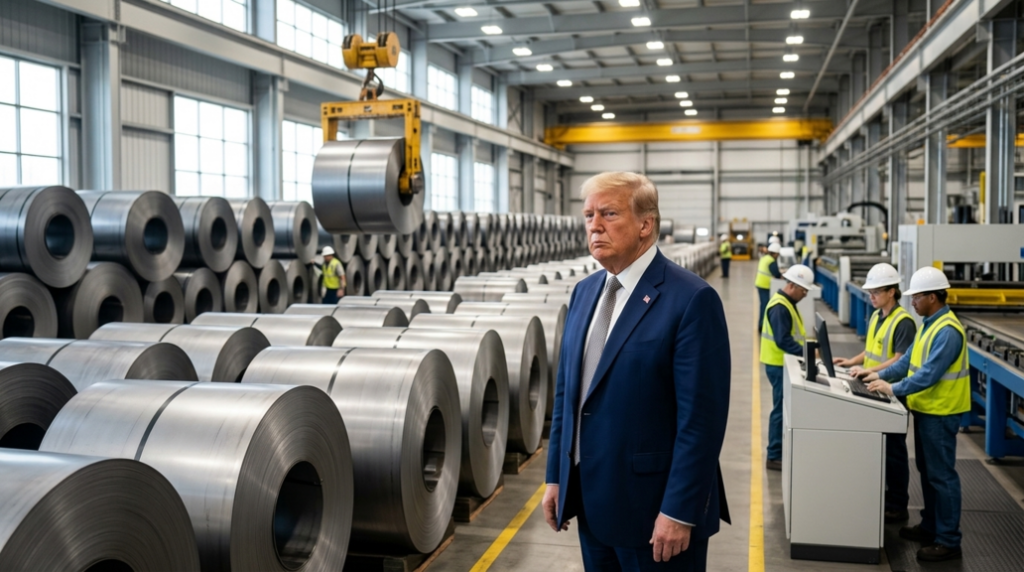
Steel imports could soon face higher tariffs as the Trump administration’s Section 301 investigation progresses. This potential increase in import costs could have significant implications for American industry and supply chains, as companies may need to adjust their strategies in response to changing market conditions. The tightening of the steel market emphasizes the importance of strengthening domestic production and investment to meet ongoing demand.
The Section 301 investigation is part of a broader review of trade practices that could affect various sectors. If higher tariffs are implemented, the cost of importing steel could rise, which may lead manufacturers to seek alternative sources or invest more heavily in domestic production capabilities. This shift could bolster local economies and create jobs, aligning with the administration’s goals of enhancing American manufacturing.
Historically, tariffs on steel have been a contentious issue, with advocates arguing that they protect domestic industries from unfair competition. Critics, however, warn that such measures can lead to increased costs for consumers and businesses that rely on imported steel for construction and manufacturing. The potential for stacked tariffs, which would compound existing tariffs, raises concerns about the ripple effects throughout the economy.
As companies evaluate their supply chains, the possibility of increased tariffs could encourage a reevaluation of sourcing strategies. Some manufacturers may look to invest in local suppliers or increase production capacity domestically to mitigate the impact of rising import costs. This trend could help enhance the resilience of American supply chains, especially in sectors heavily reliant on steel.
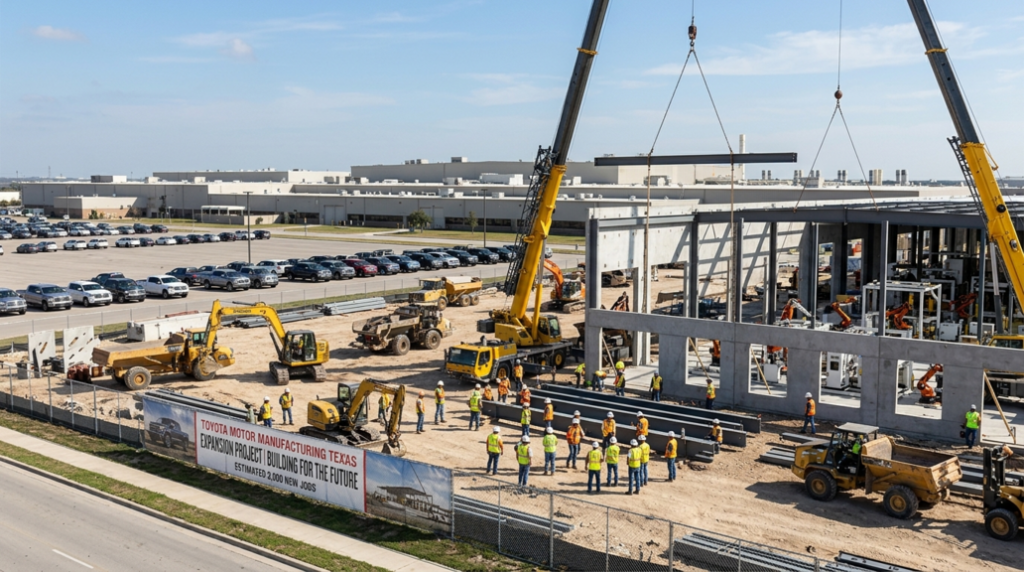
The implications of these developments extend beyond just the steel industry. Construction projects, automotive manufacturing, and various other sectors that utilize steel could see increased costs passed down from suppliers. This could affect project budgets and timelines, potentially leading to slower economic growth in areas reliant on these industries.
While the investigation into tariffs is still ongoing, the uncertainty surrounding potential increases may prompt companies to prepare proactively. By investing in domestic production capabilities, businesses could not only navigate potential challenges but also contribute to a more robust industrial ecosystem in the United States.
In conclusion, the looming possibility of higher steel import tariffs serves as a reminder of the interconnectedness of global trade and local industry. As the situation develops, it will be crucial for American manufacturers and policymakers to consider how best to support domestic production while managing the complexities of supply chains. The outcome of the Section 301 investigation could mark a significant step in shaping the future landscape of American industry and trade practices.