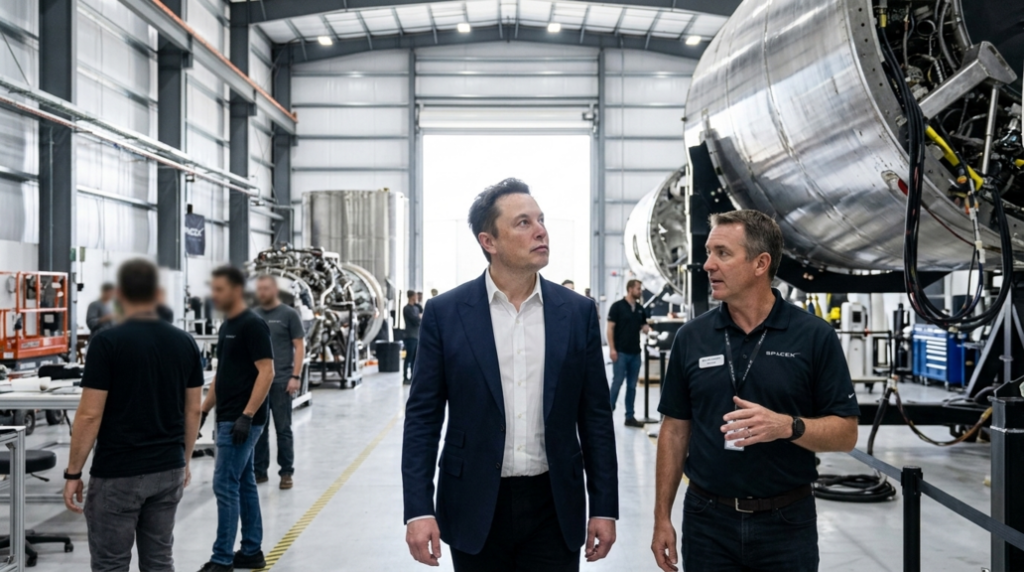
SpaceX recently marked a significant achievement in aerospace technology with the successful full suborbital flight of its Starship V3 on May 22. Despite losing the first-stage booster during the mission, the flight demonstrated the company’s ability to advance its ambitious goals in space exploration. This milestone not only showcases SpaceX’s engineering capabilities but also reflects the ongoing evolution of launch vehicle technology.
The Starship V3’s flight involved a series of critical tests, including ascent, stage separation, and payload deployment. Although the booster did not complete its intended mission, the upper stage successfully reached space and deployed 22 payloads, which included various scientific instruments and technology demonstrations. This outcome underscores the resilience and adaptability of SpaceX’s design, as the upper stage was able to perform reentry maneuvers effectively.
The loss of the booster during the flight raises questions about the challenges faced in the aerospace sector, particularly in the development of reusable launch systems. SpaceX has been at the forefront of this trend, working to create a more cost-effective and reliable approach to space travel. Each test flight, regardless of its setbacks, provides valuable data that can enhance the design and functionality of future missions.
In the context of American industry, SpaceX’s achievements contribute to a broader narrative of innovation in aerospace. The company’s focus on developing the Starship system aligns with the growing interest in space exploration and commercial spaceflight. As private sector involvement in this field increases, it could stimulate job creation and investment in related industries, from manufacturing to research and development.
Moreover, the successful deployment of multiple payloads during the Starship V3 flight indicates potential opportunities for scientific research and satellite deployment. This aspect of the mission is particularly relevant as the demand for satellite technology and space-based services continues to rise. The data collected from these payloads will likely contribute to advancements in various fields, including telecommunications, environmental monitoring, and space science.
As SpaceX continues to refine its technology, the implications for American workers and the economy are noteworthy. The aerospace sector has historically been a significant source of high-skilled jobs, and advancements such as those demonstrated by the Starship V3 could further enhance employment opportunities in engineering, manufacturing, and technical support roles. Local communities that host aerospace facilities may also benefit from increased economic activity and investment.
Looking ahead, the lessons learned from the Starship V3 flight will be instrumental in shaping future missions. SpaceX’s commitment to pushing the boundaries of aerospace technology reflects a broader trend of innovation within the industry. As companies like SpaceX continue to explore the possibilities of space travel, the advancements made during these test flights could have lasting impacts on both the aerospace sector and the economy as a whole.
In conclusion, while the loss of the booster during the Starship V3 flight presents challenges, the successful completion of the mission highlights the potential for continued growth and innovation in the aerospace industry. The developments at SpaceX not only contribute to advancements in space exploration but also serve as a reminder of the importance of resilience and learning in the face of setbacks in technological endeavors.