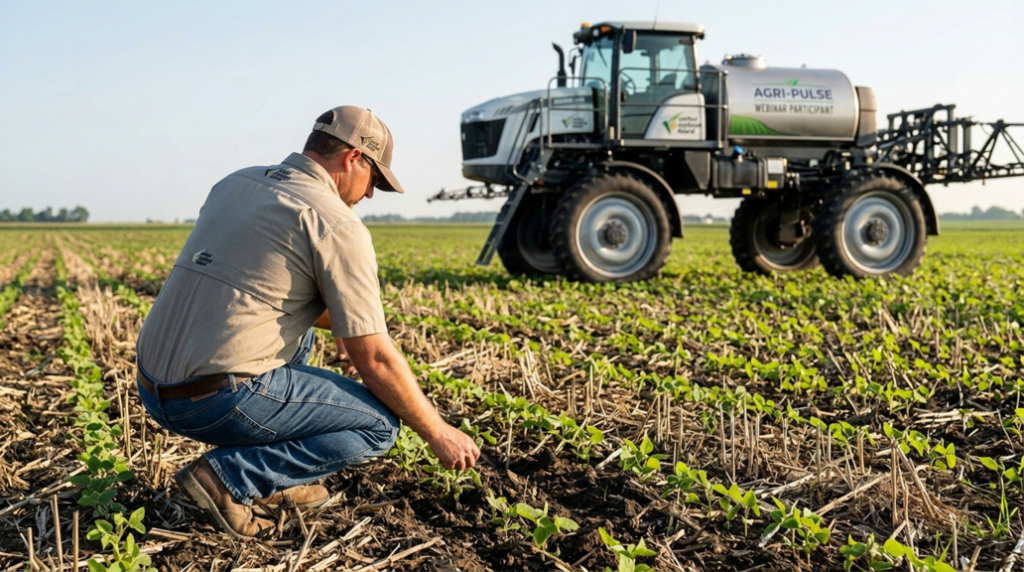
Farmers from Indiana, Kansas, and Michigan recently gathered for a webinar hosted by Agri-Pulse, where they explored innovative strategies to balance economic viability with environmental sustainability in agriculture. The May 7, 2026 event featured discussions led by farmer-leaders from the United Soybean Board, emphasizing the importance of integrating sustainable practices into farming operations without compromising financial stability.
The webinar addressed several key topics, including the development of new revenue streams such as high oleic soybean premiums, which could provide additional financial incentives for farmers. The leaders also discussed cost share programs for cover crops, which can enhance soil health and improve resilience against climate-related challenges. By sharing these insights, the participants aimed to equip farmers with practical tools to navigate the complexities of modern agriculture.
One significant focus of the discussion was on production research aimed at combating yield robbers—factors that negatively affect crop production, such as pests, diseases, and adverse weather conditions. By investing in research and adopting new technologies, farmers can potentially safeguard their yields, thereby supporting both their economic interests and environmental goals.
Laurie Isley, a farmer from Michigan, highlighted the importance of on-farm resilience, noting that adaptive practices can help mitigate risks associated with climate change. By sharing success stories and methods that have worked in their respective states, the farmer-leaders fostered a collaborative environment where participants could learn from each other’s experiences.
The conversation underscored a broader trend in American agriculture, where the need for sustainability is increasingly interwoven with economic considerations. As consumers become more environmentally conscious, farmers are finding that sustainable practices can also lead to competitive advantages in the marketplace. This dual focus on sustainability and profitability reflects a growing recognition of the interconnectedness of ecological health and economic success.
The insights shared during the webinar could have implications for local communities and the agricultural sector as a whole. By adopting sustainable practices, farmers may contribute to healthier ecosystems, which can enhance biodiversity and improve soil and water quality. These improvements not only benefit the environment but can also lead to enhanced food security and economic opportunities within rural communities.
As the agricultural landscape continues to evolve, the importance of balancing economic viability with environmental stewardship will likely remain a critical focus for farmers across the country. Initiatives such as this webinar serve as important platforms for sharing knowledge and fostering collaboration among farmers, ultimately supporting a more resilient agricultural industry.
In conclusion, the discussions from the Agri-Pulse webinar reflect a proactive approach to addressing the challenges faced by farmers today. By considering both economic and environmental factors, the agricultural community is taking steps toward a more sustainable future, one that could benefit farmers and consumers alike.