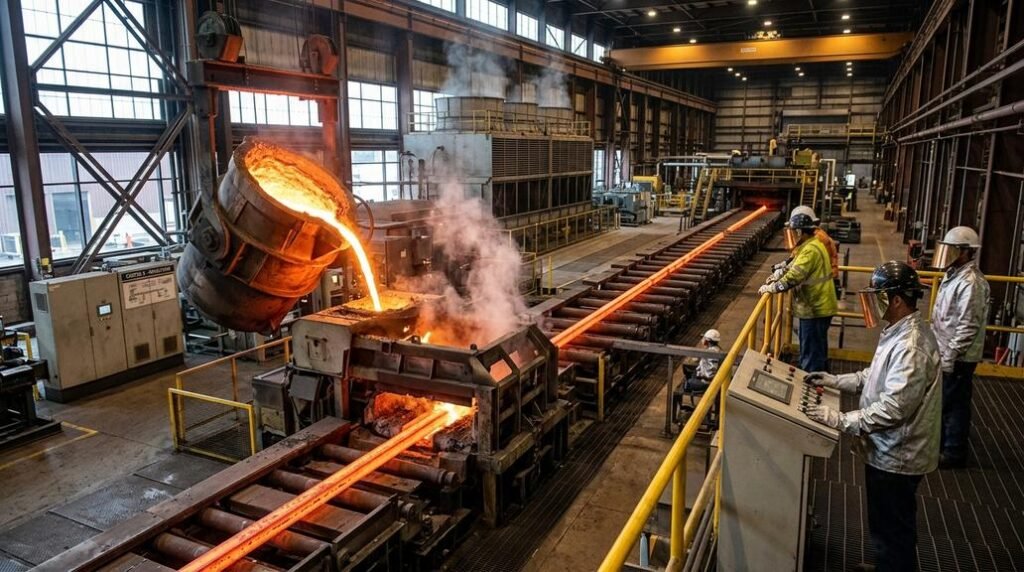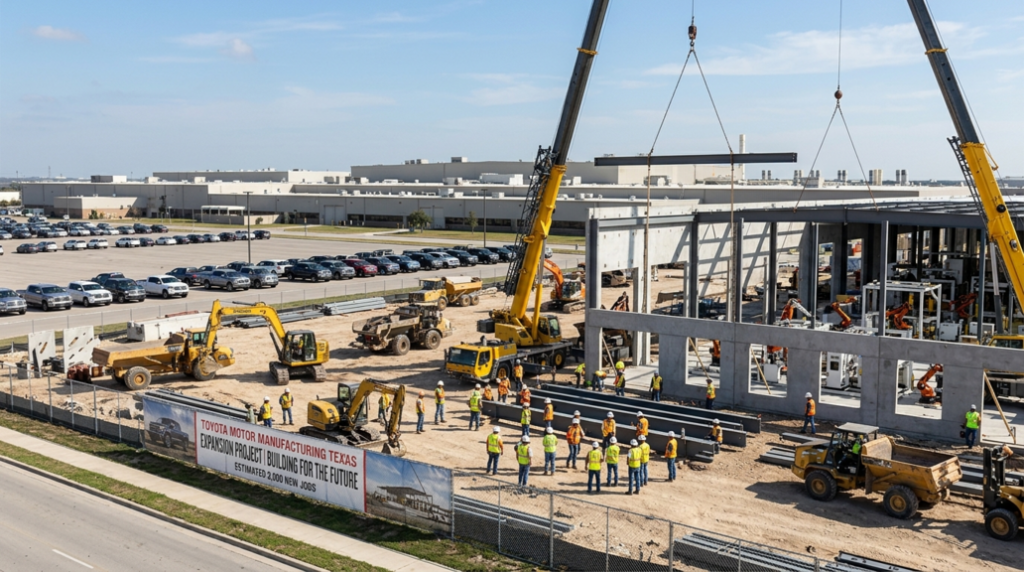
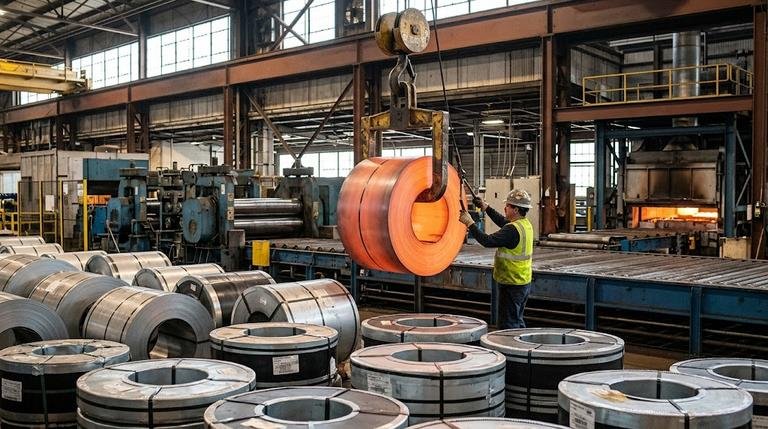
U.S. steel prices have seen a notable increase recently, driven by resilient demand and tight supply conditions in the market. According to industry reports, prices for domestic steel products, particularly sheet and plate, have risen significantly, while prices for long products have remained mostly stable. This trend reflects ongoing market dynamics that could have implications for various sectors of American industry.
The rise in steel prices comes at a time when import volumes are reported to be low. This situation has contributed to a tighter supply of steel in the domestic market. As manufacturers and construction companies continue to seek steel for projects, the limited availability is pushing prices upward. The increase in sheet and plate prices suggests that sectors relying on these materials, such as automotive and construction, may face higher costs in the near future.
While long product prices have remained stable, there have been slight increases in specific categories like structural and merchant bars. These variations indicate that while the overall market for long products is steady, certain segments are experiencing upward pressure. This could reflect localized demand shifts or supply chain disruptions affecting specific types of steel.
The implications of rising steel prices extend beyond immediate costs. For American workers, particularly in manufacturing, construction, and related industries, this trend could influence job stability and wage growth. If manufacturers face higher material costs, they may adjust production strategies, which could impact employment levels in steel-intensive sectors.
Furthermore, the current state of the steel market underscores the importance of domestic production capabilities. A robust domestic steel industry can enhance energy security and reduce reliance on foreign imports, which has been a concern for policymakers. As prices rise, there may be renewed discussions about investments in domestic steel production and infrastructure to bolster supply chains.
In light of these developments, companies may need to reassess their procurement strategies. Those heavily reliant on steel should consider potential price increases in their budgeting and project planning. For local communities, especially those with steel mills or manufacturing facilities, the increased prices could lead to both challenges and opportunities, depending on how businesses adapt to the changing market conditions.
Overall, the recent rise in U.S. steel prices reflects a complex interplay of demand and supply factors. While this trend poses challenges for some industries, it also highlights the resilience of the domestic steel market. As the situation evolves, stakeholders across various sectors will need to stay informed and adaptable to navigate the impacts of these changes on production and employment in the coming months.