Recent data has shown a notable impact of the United States-Mexico-Canada Agreement (USMCA) on the American steel industry. The review process of this trade policy has led to an increase in domestic steel production while simultaneously decreasing steel imports. This shift is largely attributed to the efforts of members of the Steel Manufacturers Association, who are making significant investments in modernizing steelmaking facilities across the country.
The USMCA, which replaced the North American Free Trade Agreement (NAFTA), was designed to strengthen trade relationships and promote fair competition among the three countries. Early indications suggest that the agreement is fulfilling its purpose, particularly in the steel sector. Increased domestic production could help stabilize the market and potentially create more jobs in steel manufacturing, benefiting local economies.
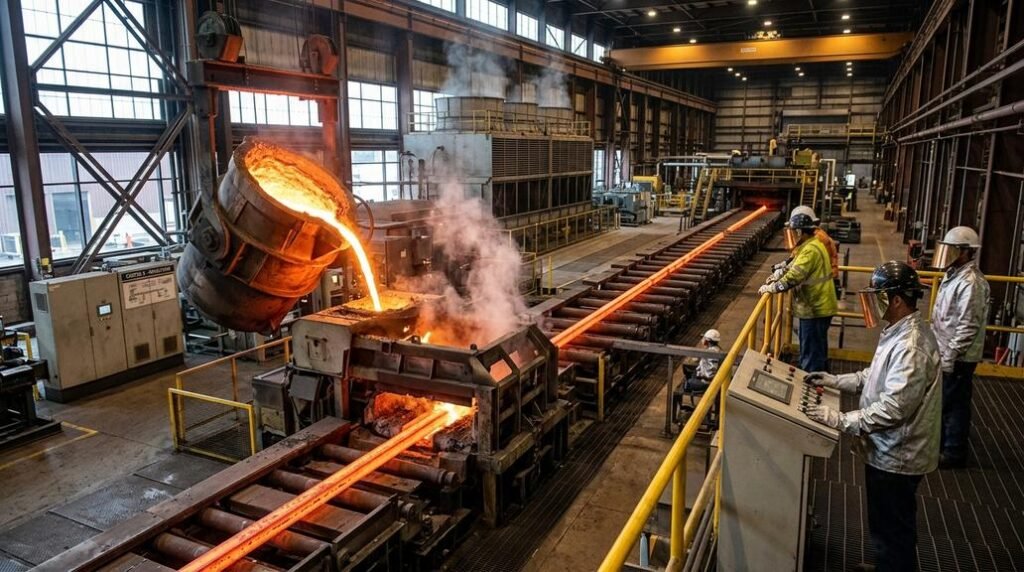
Steel manufacturers are responding to the favorable trade environment by investing in state-of-the-art equipment and technologies. These investments not only enhance production efficiency but also improve safety standards in steelmaking. As companies upgrade their facilities, they are positioning themselves to meet growing demand while adhering to stricter environmental regulations, which could bolster the industry’s sustainability efforts.
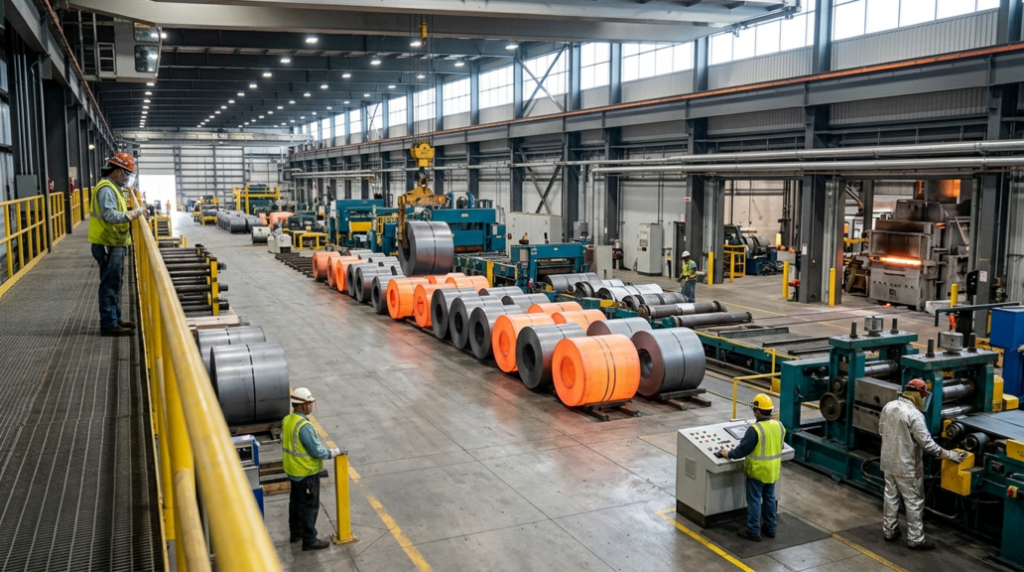
The decrease in steel imports is another critical aspect of this trend. By reducing reliance on foreign steel, the USMCA could help strengthen the domestic supply chain. A more robust domestic steel industry means that American manufacturers can source materials locally, which may lead to reduced lead times and lower transportation costs. This shift is particularly relevant as industries across the nation seek to enhance their resilience amid global supply chain disruptions.
Industry leaders emphasize the importance of continued support for the achievements made under the USMCA. The Steel Manufacturers Association has called for ongoing collaboration among the U.S., Mexico, and Canada to ensure that trade policies remain favorable for domestic producers. As the steel sector adapts to these changes, sustained investment and innovation will be crucial for maintaining competitiveness in the global market.
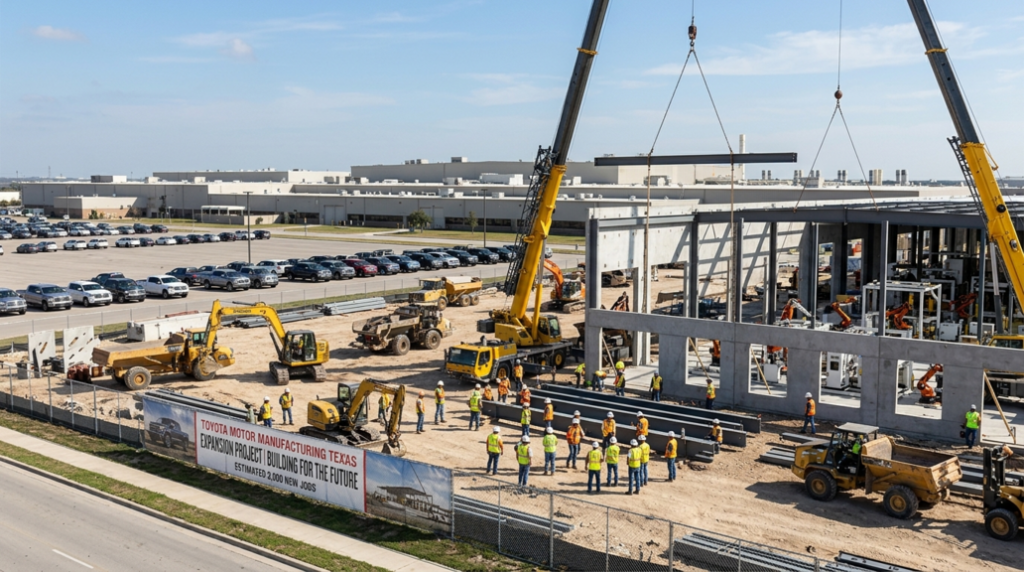
The implications of these developments extend beyond the steel industry itself. A stronger domestic steel sector could positively affect related industries, including construction and automotive manufacturing, which rely heavily on steel products. The ripple effects of increased production capacity may lead to job creation in these sectors as well, further contributing to economic growth in American communities.
In conclusion, the review of the USMCA has revealed promising trends for the American steel industry. With rising domestic production and decreasing imports, the landscape of steel manufacturing is evolving. Continued investment in modern facilities and technologies will be essential for sustaining these advancements and ensuring that American industries remain competitive in a changing global economy.