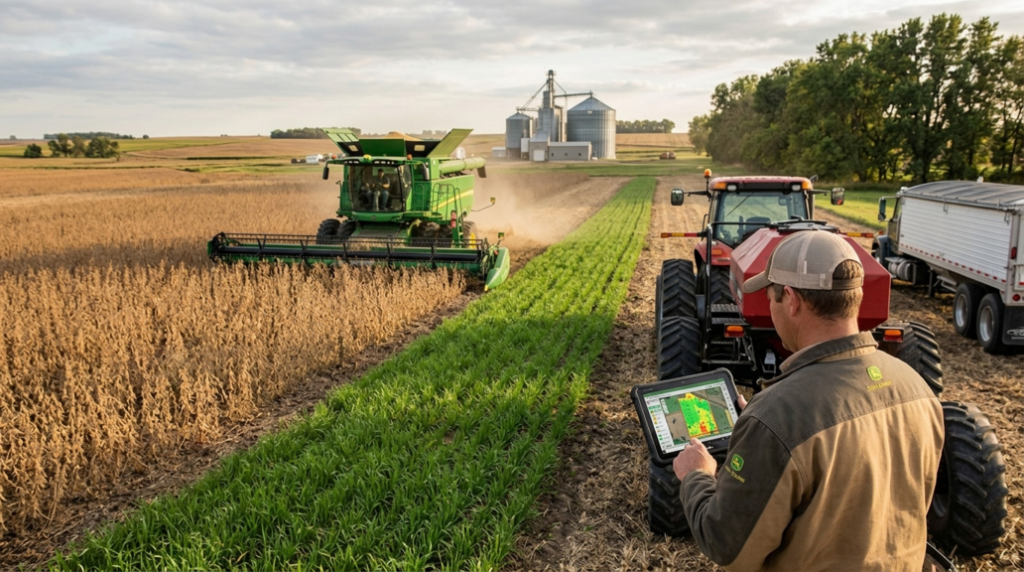
Farmers from Indiana, Kansas, and Michigan recently convened in a webinar hosted by the United Soybean Board to discuss strategies for maintaining both economic viability and environmental sustainability in agriculture. This discussion focused on innovative practices and revenue opportunities that can help farmers adapt to changing market demands while also addressing environmental concerns.
One of the key topics was the potential for high oleic soybean premiums, which offer farmers an additional revenue stream. High oleic soybeans are valued for their health benefits and are increasingly sought after in food production. By tapping into this market, farmers can enhance their profitability while contributing to a more sustainable agricultural system.
The webinar also highlighted the importance of cover crop cost share programs. These initiatives can alleviate some of the financial burden associated with implementing cover crops, which are beneficial for soil health and help prevent erosion. By participating in such programs, farmers can improve their land’s resilience and sustainability without incurring excessive costs.
Production research played a significant role in the conversation as well. Farmers discussed ongoing efforts to identify and combat yield robbers—factors that negatively impact crop yields. By investing in research, farmers can develop better strategies to protect their crops, ultimately leading to more productive and sustainable farming practices.
Tools for on-farm resilience were another focal point of the discussion. As climate change continues to pose challenges to agricultural production, having the right tools and practices in place can help farmers adapt. This includes everything from advanced irrigation techniques to crop rotation strategies that enhance soil health and reduce dependency on chemical inputs.
The insights shared during the webinar reflect a growing awareness among farmers of the need to balance economic and environmental goals. This dual focus could support the long-term viability of American agriculture, ensuring that farms remain profitable while also contributing positively to the environment.
As these practices gain traction, they could lead to a more sustainable agricultural landscape across the country. Farmers implementing these strategies may not only improve their own operations but also set a precedent for others in the industry, fostering a culture of sustainability that benefits local communities and the broader economy.
In summary, the discussions from the United Soybean Board’s webinar underscore the importance of integrating sustainable practices into farming operations. By exploring new revenue streams and investing in resilience, farmers can help secure the future of American agriculture, ensuring it remains both economically viable and environmentally responsible.