
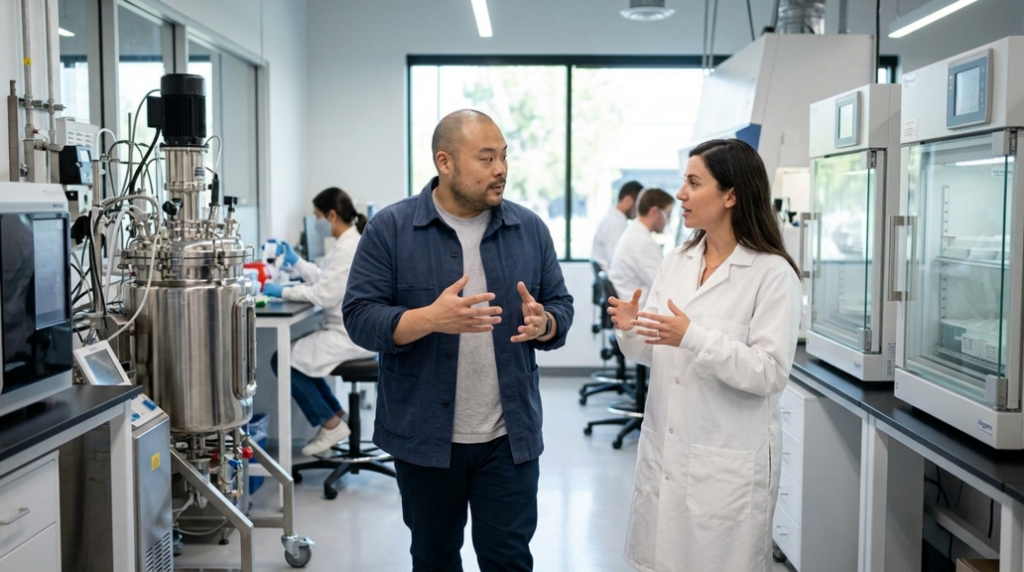
David Chang, the CEO of Allogene Therapeutics, has announced his departure after an eight-year tenure at the cell therapy company. His leadership has been marked by significant developments in the field of cell therapies, particularly those targeting cancer. The transition comes at a time when Allogene is navigating a complex landscape in the biopharmaceutical sector, where innovation and adaptability are crucial for success.
In a related development, Agios Pharmaceuticals faced a setback as its next-generation drug for blood diseases did not meet key testing benchmarks. This failure highlights the challenges that pharmaceutical companies often encounter during the drug development process, which can be both lengthy and uncertain. The implications of such setbacks can ripple through the industry, affecting investor confidence and research funding.
The news of Chang’s exit is significant for Allogene, as it seeks to maintain momentum in a competitive market. The company has been at the forefront of advancing cell therapy technologies, which are seen as a promising avenue for treating various forms of cancer. Leadership changes can often lead to shifts in strategy or focus, which could impact ongoing projects and partnerships.
Meanwhile, AbbVie, another key player in the pharmaceutical industry, recently received FDA approval for a drug following its acquisition of another company. This approval underscores the importance of strategic acquisitions in enhancing a company’s product offerings and market position. For AbbVie, this development may bolster its portfolio and provide new options for patients, reflecting the ongoing evolution within the pharmaceutical landscape.
The combination of leadership changes and drug development challenges serves as a reminder of the dynamic nature of the biopharmaceutical industry. Companies like Allogene and Agios must continuously adapt to both scientific advancements and market demands to remain viable. The success of cell therapies and next-generation drugs could significantly influence healthcare outcomes for patients, particularly in treating complex diseases.
For American workers in the pharmaceutical sector, these developments may point to the need for ongoing investment in research and development. As companies strive to innovate, there may be increased opportunities for skilled workers in various roles, from laboratory research to regulatory affairs. The industry’s ability to attract and retain talent will be critical as it faces both challenges and opportunities ahead.
Overall, while Chang’s departure and Agios’ testing failure represent hurdles for their respective companies, they also illustrate the inherent risks in the pharmaceutical sector. The outcomes of these developments could shape the future direction of both companies and the broader industry, influencing how new therapies are developed and brought to market.
As the biopharmaceutical landscape continues to evolve, stakeholders will be closely monitoring these transitions and their potential impacts on innovation and patient care in the years to come.