
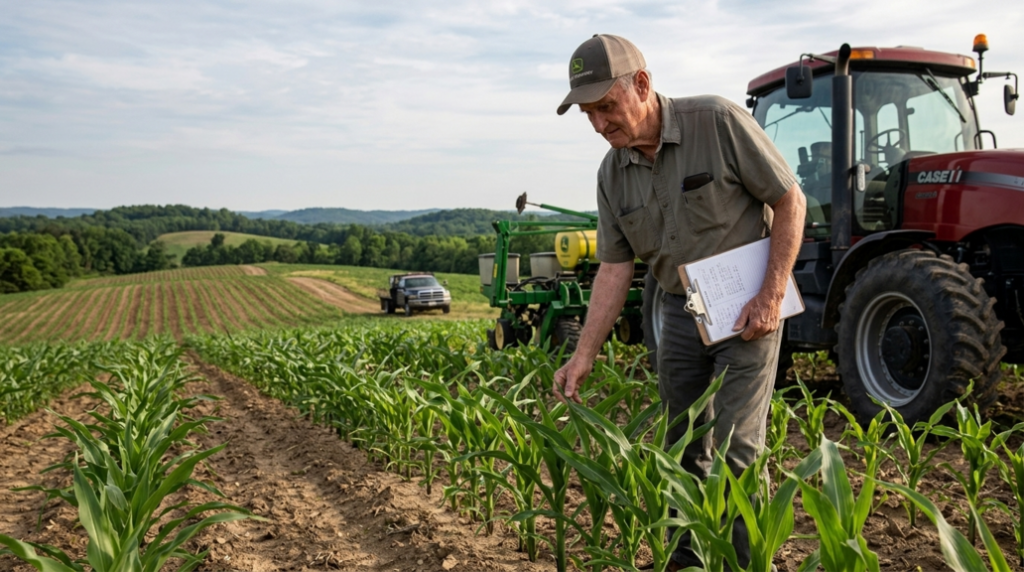
As fuel prices rise, Arkansas farmers are adapting their planting strategies, with some choosing to cultivate corn instead of rice. Clay Smith, a farmer in the region, is planting corn on new land in Crowley’s Ridge, an area that has not previously seen corn cultivation. This shift underscores how economic pressures can influence agricultural decisions, reflecting a broader trend among farmers looking to manage costs effectively.
The decision to pivot from rice to corn comes as the costs associated with irrigating rice fields have risen significantly. Farmers like Smith are reevaluating their crop choices in response to these economic challenges. While rice has traditionally been a staple crop in Arkansas, the increasing expense of fuel and water for irrigation has made it less viable in some cases.
Corn, on the other hand, offers a more favorable economic outlook for many farmers. With its lower irrigation requirements compared to rice, corn can be a more cost-effective option during periods of high fuel prices. This change not only affects the immediate production choices of farmers but also has implications for local supply chains and agricultural markets.
The adaptability of farmers like Smith is a notable aspect of American agriculture. By shifting to crops that require less resource-intensive cultivation methods, they are not only addressing their immediate financial concerns but also contributing to the resilience of the agricultural sector. This flexibility can help stabilize local economies that rely heavily on farming.
Moreover, the shift to corn cultivation may impact the broader agricultural landscape in Arkansas. As more farmers consider similar changes, it could lead to shifts in market dynamics, potentially affecting prices and availability of various crops. This could also influence investment in agricultural infrastructure, as farmers may seek new technologies or methods to optimize their production.
The move toward corn cultivation is reflective of a larger trend where farmers are increasingly faced with the need to adapt to changing economic conditions. Rising operational costs, including fuel and fertilizer prices, have prompted many to rethink their planting strategies. This adaptability is essential for maintaining productivity and ensuring food security in the face of fluctuating market conditions.
In conclusion, Clay Smith’s decision to plant corn on Crowley’s Ridge highlights the ongoing challenges and adaptations within the agricultural sector. As farmers respond to economic pressures, their choices will shape not only their individual operations but also the agricultural landscape in Arkansas and beyond. This adaptability may ultimately bolster the resilience of American agriculture in an evolving economic environment.